On cotton or polyester, you can be aggressive with stains. Hot water, hard scrubbing, strong detergent – none of it puts the garment at risk. Silk, wool, and beaded formalwear are different. The same tools that save a cotton T-shirt can leave water spots on silk, cause wool to felt, or make embellishments fall off.
So the real question isn't how bad the stain looks. It's how much the fabric can handle. Learning how to remove stains from delicate fabrics means keeping that in mind through every stain type below, since it's the reason some fixes that work everywhere else will damage delicate fabric instead of saving it.
Red Wine, Coffee, and Other Tannin Stains
Tannins are the pigment compounds in red wine, coffee, tea, and dark juices. Silk and wool absorb them fast. Their protein structure bonds to tannin molecules within minutes, so a spill that rinses right out of cotton can leave a lasting mark on silk before you even reach for a towel.
The usual fixes backfire here. Hot water sets the stain instead of lifting it. Salt and club soda are made for carpet and upholstery, and on a tight, delicate weave, they just push moisture and abrasion deeper into fibers that can't take it.
What to actually do:
- Blot, don't rub. Rubbing spreads the pigment and can distort the weave.
- Work from the back of the fabric with a clean, cold, damp cloth.
- Stop there. No bleach, no vinegar, no additional heat.
- Get it to a cleaner as soon as you can, without trying anything else at home.
Why Timing Matters More on Natural Fibers Than Synthetics
A tannin stain can wait a day on polyester with little consequence. On silk or wool, every hour lets the pigment bond deeper into the fiber. Speed matters here more than with most stains, so blotting right away isn't overcaution. It's the difference between removable and permanent.
Oil, Grease, and Salad Dressing Stains
Oil-based stains resist water, which catches most people off guard. Olive oil, butter, salad dressing, and even natural skin oils all repel water-based cleaning. On silk especially, oil bonds with the fabric's own sheen, so dabbing with a wet cloth usually spreads the stain instead of lifting it.
This is one of the clearest cases where professional treatment wins. Dry cleaning solvents break down oil without water, sidestepping the exact problem that makes these stains so hard to shift on delicate fibers. Get it to a cleaner as soon as you can.
Why Blotting With a Napkin Often Makes It Worse
If you must do something in the moment, lay the garment flat with the stained side facing down onto a clean paper towel, and let gravity pull some of the oil downward rather than pressing anything into the fabric.
The instinct to press a napkin against a fresh grease stain is understandable, but on a tight or delicate weave it can push oil further into the fibers rather than absorbing it out.
Sweat, Deodorant, and Perspiration Marks
This is a category most people underestimate because the damage isn't immediate. Sweat combines with aluminum compounds from antiperspirant and natural body oils, and that mixture oxidizes slowly over time. The result is the yellow underarm staining that seems to appear out of nowhere on a garment that looked fine when it went into storage.
Each wash cycle on delicate fabric can make this worse rather than better if the underlying combination isn't fully broken down, which is part of why these marks feel so persistent.
The practical rule: never store a delicate garment while it's sweat-stained, even if you can't see a mark yet. A closet is exactly where invisible perspiration residue turns into visible yellowing three to six months later.
What Makes These Marks Different From Other Stains
Unlike wine or oil, perspiration marks aren't caused by a single substance sitting on top of the fabric. They're the product of an ongoing chemical reaction between sweat, deodorant residue, and oxygen. That's why spot-treating after the mark has already appeared is far less effective than addressing the garment before storage, while the reaction hasn't had time to run its course.
Makeup, Foundation, and Lipstick Transfer
Makeup stains are genuinely harder to treat than most people expect, because makeup itself isn't one substance. It's typically a combination of oils, pigments, and sometimes waxes, all in the same smear. A single home method rarely addresses all three at once. Rubbing spreads the pigment. Water alone does nothing to the oil base. Trying both usually just widens the mark.
This shows up most often on necklines, collars, and blouses, exactly the areas that brush against skin throughout the day.
Why This Category Needs a Multi-Step Approach
Professional pretreatment works because it separates the components instead of attacking them all at once. Solvent breaks down the oil, pigment is lifted separately, and wax residue is addressed separately. That layered approach is why results on makeup stains consistently beat any single home fix.
Ink, Blood, and Other Protein-Based Stains
Ink and blood belong in the same category for a reason that surprises most people: both respond to enzyme-based treatment, and both get dramatically worse with heat. Heat causes the protein bonds in blood and certain ink formulations to set permanently into the fiber. This is exactly why the common instinct to reach for hot water when dealing with a blood stain is the wrong move. Hot water doesn't help here. It locks in the stain.
If you're dealing with either:
- Use cold water only, if you use water at all.
- Never apply heat, including a hair dryer or an iron, before the stain is fully treated.
- Avoid rubbing, which drives the stain deeper into the weave.
The One Mechanism That Sets This Category Apart
Every other stain type in this guide responds to some combination of blotting, solvent, or time. Protein-based stains are unique because the fabric-damaging step isn't the stain itself. It's what happens when heat interacts with it. That single detail is worth remembering even if you forget everything else here: cold water or nothing, and no heat until a professional has treated it.
Old Stains vs. Fresh Stains: What Actually Changes With Time
Most people assume old stains are harder to remove simply because time has passed. On delicate fabric, that's usually not the real reason. What makes them stubborn is that they've often already been treated incorrectly: heat set with a dryer, scrubbed at home, or hit with the wrong solvent before reaching a professional.
A stain left untouched for two weeks can be more removable than one aggressively scrubbed two days ago. Time isn't the enemy. The wrong treatment is the enemy.
How to Tell If a Stain Has Already Been Home Treated
Look for a slightly stiff or shiny patch around the stain's edges, a faint ring outside the original mark, or a spot that looks lighter or bleached compared to the surrounding fabric. Any of these signs means the fabric has already been altered, and it's worth mentioning that history to your cleaner rather than letting them assume it's untouched. That context changes which treatment approach makes sense.
Some Delicates Are Too Precious for DIY Care – Trust Kenny the Kleener
If you've made it this far, you're probably staring at a stain and wondering if cleaning it yourself is still an option. It's not too late, but the next move matters more than the last one.
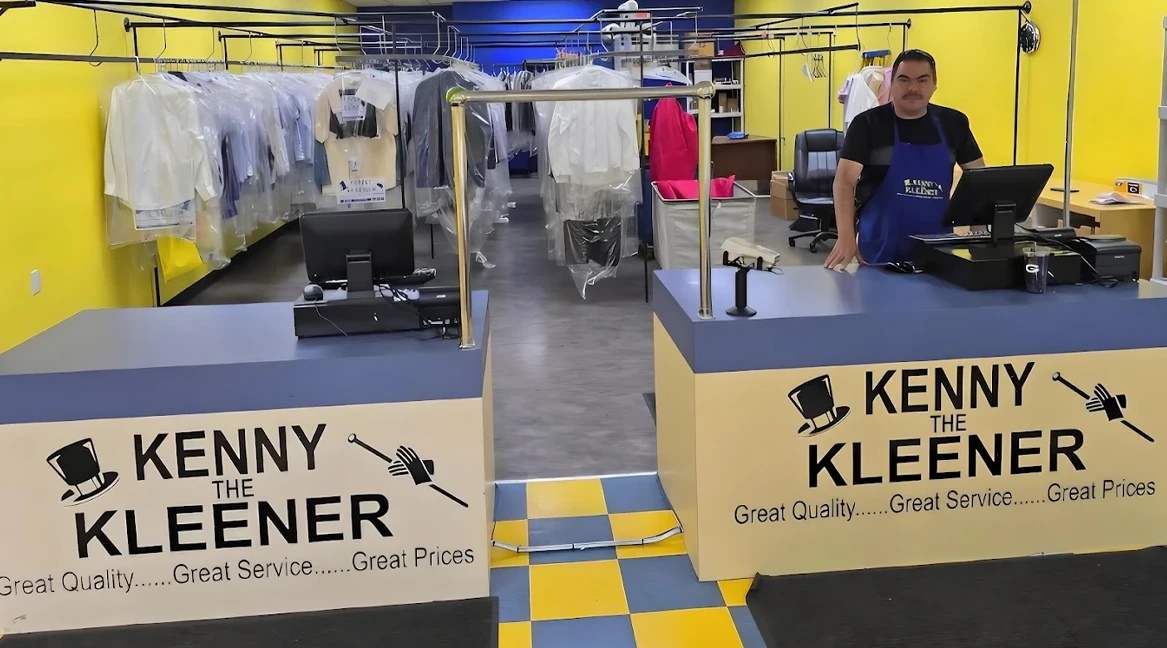
At Kenny the Kleener, we've specialized in delicate and specialty fabrics for more than 45 years. Our Dry Cleaning Service is built around knowing the difference between a stain that responds to solvent and pigment separation and one that's already been set by heat or hot water. Every garment gets assessed before we treat it, so you'll know what's realistic before we start.
If you are looking for dry cleaning in Skokie, Illinois, our location is ready to assist you. Bring it to us, tell us what you have already tried, and we will take it from there.
Corporate Office: (847) 324 5101
Route Manager, Robert Katz: (312) 330 4275
You don't have to hand over three months of shirts to know if a dry cleaner is worth trusting. Everything that matters about a provider's quality is visible in one interaction – if you know what to look for and what to ask.
A pre-cleaning inspection, a specific answer about stain treatment, a clear explanation of how they finish structured garments – these things take thirty seconds to ask about and tell you almost everything.
This checklist gives you the six questions that reveal whether a dry cleaner actually knows what they're doing before the first garment goes in.
They Inspect Every Garment Before It Goes Into the Machine
What a Proper Pre-Cleaning Inspection Actually Covers
Before any cleaning begins, a quality dry cleaner examines each garment individually under good lighting. They look for:
- Pre-existing damage (snags, loose seams, worn areas) that could worsen in the machine
- Stain types, because a tannin stain and a grease stain don’t get treated the same way
- Fabric condition and construction details that affect which method is appropriate
- Hardware or embellishments (buttons, beading, zippers) that need special handling
This step does two things: it determines the correct cleaning approach for that specific piece, and it creates a record of the garment’s condition before any work starts. A dry cleaner who skips inspection is a cleaner who has no accountability for what comes back.
The Question That Separates Real Inspection From a Checkbox
A quality dry cleaner will describe specific things: stain types, fabric fragility, structural concerns, button or hardware risks. If the answer is a vague “we check everything,” that’s your signal inspection isn’t a real step in their process.
Ask this: “What do you look for when you inspect a garment before cleaning?”
They Use Fabric-Appropriate Solvents and Can Explain What They Use
Why the Solvent Matters as Much as the Cleaning Itself
Dry cleaning isn’t one universal process. Different solvents interact with fabrics in unique ways:
- Wool suits can tolerate perchloroethylene-based solvents well
- Silk is sensitive to harsh solvents and can lose sheen or structure
- Embellished or beaded garments may use adhesives that certain chemicals break down
A quality dry cleaner matches the solvent and method to the fabric. If a cleaner uses the same process for every item regardless of material, they run a volume operation, not a care operation.
What Transparency About Cleaning Methods Actually Looks Like
A confident dry cleaner answers without hesitation. They know their process, and they can explain it. Hesitation or deflection here isn’t a minor thing. It’s a window into how much individual attention your garments actually receive.
Ask this: “What method do you use for silk?” or “How do you clean a structured blazer?”
Their Pressing and Finishing Is Done Correctly for Each Garment Type
What Correct Pressing Looks Like, by Garment
Finishing is where the quality difference becomes visible the moment you pick up your clothes. Here’s what correct results look like:
- Suit jacket: Lapel lays flat with the natural roll intact. The collar sits clean. Shoulders hold their original shape.
- Dress shirt: Crisp body, a properly turned collar, precise sleeve creases.
- Blouse or drape fabric: Smooth without stiffness, no heat distortion or shine marks.
These results require pressing on the correct form for each garment type. A flat press applied to everything doesn’t account for construction. The difference shows.
Why Machine Finishing Produces Different Results on Structured Garments
High-volume operations rely on automated pressing equipment. The result is consistent, but consistent isn’t the same as correct. Structured pieces such as jackets and tailored trousers need hand finishing because their shape requires human judgment, not automated pressure.
Flattened lapels and distorted shoulders are almost always the result of machine-pressing a garment that should have been finished by hand. If that’s what comes back, that’s the step being skipped.
They Have a Clear, Specific Stain Pretreatment Process
What Pretreatment Involves and Why It’s a Separate Step
Pretreatment happens before the garment goes into any machine. It’s not part of the cleaning cycle. Here’s how it works in a quality operation:
- Identify the stain type (tannin, oil, protein, dye) because the chemistry used depends on the stain category
- Apply the appropriate treatment agent to the affected area
- Allow it to work before the garment moves to the next step
A dry cleaner who sends stained garments straight into the machine and hopes for the best will return those garments with the stain still on them. Sometimes worse because certain cleaning solvents can set stains permanently if pretreatment didn’t happen first.
How to Verify This Before Your First Drop-Off
Ask this: “When I bring a garment with a stain, what happens before it goes into the machine?”
The answer should describe a specific process. If the response is “we treat all stains” with no further detail, follow up:
Ask this: “How do you determine which treatment to use?”
A dry cleaner with a real pretreatment step will have a real answer.
They Can Give You a Reliable Turnaround Estimate and Stick to It
Why Consistency Matters More Than Speed
A three-day turnaround delivered consistently every time is more useful than a 24-hour promise that only holds when they’re not busy. Before committing to a regular dry cleaner, ask specifically about the standard turnaround on the items you bring most often. Then check recent reviews for comments about pickup timing.
One late return is a bad week. A pattern of late returns is a process problem, and it won’t fix itself.
What Good Communication Looks Like When Something Comes Up
The best cleaners contact you before you have to follow up. If a delay is unavoidable, you hear about it in advance, not after you’ve already called asking for your jacket.
A dry cleaner who only mentions delays once you ask has built no system for keeping customers informed. That gap shows up in other parts of their operation, too.
They Have a Documented Process for Damage or Complaints
What a Real Damage Resolution Process Looks Like
“We’ll make it right” is a reassurance, not a process. A quality dry cleaner:
- Documents the garment condition at intake, before any work begins
- Flags issues during the cleaning process rather than returning a garment and hoping the customer doesn’t notice
- Has a specific resolution path when something comes back with damage that wasn’t there before
Ask this: “If a garment comes back with damage that wasn’t there when I dropped it off, how would you handle that?”
A confident, specific answer is a green light. A vague response is a warning worth taking seriously.
Why the Damage Process Is the Most Reliable Trust Signal of the Six
Every dry cleaner will tell you they do good work. Those who can describe what they do when something goes wrong are those who’ve actually thought about accountability. Pre-cleaning inspection and documented conditions are what make resolution possible in the first place. A cleaner with no inspection process also has no damage process because there’s no baseline to refer back to.
These two items bookend the entire quality relationship: intake accountability at the start, resolution accountability at the end. If a dry cleaner has both, the steps in between are far more likely to hold up.
You Know What to Look For in a Dry Cleaner – Kenny the Kleener Delivers
If you're searching for what to look for in a dry cleaner in Skokie, Illinois, this checklist is the answer. At Kenny the Kleener, we provide convenient, exceptional garment care services built around creating the best possible customer experience for every customer. Whether you drop off in store or take advantage of our FREE Pickup and Delivery Service, the goal is straightforward: clean, pressed, ready-to-wear clothes without the guesswork.
The best way to understand how to choose a good dry cleaner is to bring in one garment, ask the questions on this list, and see how they're answered. Bring in a garment and see it for yourself.
📍 3760 Dempster St., Skokie, IL, 60076
🕐 Mon–Fri: 6:30 AM–8:00 PM | Sat: 6:30 AM–6:00 PM | Sun: 8:00 AM–5:00 PM
Trying dry cleaning for the first time can raise a few questions. You might wonder how the process works, how long it usually takes, or whether your garments will be handled safely. Those questions are perfectly reasonable because when you see clothes as investment pieces, it’s natural to want reassurance before getting started.
Unlike home laundry, dry cleaning uses controlled processes to target stains while preserving fabric shape. Each garment is evaluated individually, then cleaned in specialized equipment and finished with careful pressing and inspection.
In this post, we walk you through exactly how dry cleaning works and what you can expect as a first-time customer.
How to Get Your Clothes Ready for Dry Cleaning
Before heading to the dry cleaner, taking a few extra minutes to prepare your garments can make a big difference. Proper preparation ensures your clothes are cleaned thoroughly, handled correctly, and returned in top condition.
1. Check the Care Labels First
Don’t automatically assume an item needs dry cleaning. Always check the care tag sewn inside the garment. These labels provide manufacturer-approved cleaning instructions.
- “Dry Clean Only” means water can damage the fabric; professional dry cleaning is necessary.
- “Dry Clean Recommended” suggests it’s the safest method, though not strictly required.
- “Do Not Dry Clean” indicates the garment may need a different cleaning approach.
Pro Tip: If your clothing combines multiple fabrics, such as a blazer with a delicate lining, dry cleaning is often the safest option to protect every material involved.
2. Look for Stains or Damage
Give your garments a quick once-over before drop-off. Spotting issues early helps your cleaner apply the right treatment.
Pay attention to:
- Stains: Let the cleaner know what caused them (coffee, oil, ink, wine, etc.). The source matters because different stains require specific solutions.
- Odors: Smoke, sweat, or food smells can be treated effectively, but only if mentioned.
- Loose threads or missing buttons: Some cleaners provide minor repairs, but it’s best to ask ahead of time.
Pro Tip: Avoid trying DIY stain removal with water or household products before taking in items. This can permanently set stains and make professional removal much more difficult.
3. Double-Check All Pockets
Forgotten items in pockets are among the most common dry cleaning accidents. Even small objects can damage clothing or machinery.
Before drop-off:
- Remove pens, coins, keys, and gum.
- Take out tissues or receipts that could disintegrate in the machine.
- Check inside jacket linings and hidden compartments.
Pro Tip: If you're dropping off several items, do a quick check to make sure nothing gets left behind.
4. Separate by Fabric and Color
While professional cleaners sort garments themselves, organizing items beforehand can help avoid confusion.
- Delicate materials (silk, lace, wool, rayon) require gentler handling.
- Heavier garments (suits, coats, denim) go through different finishing processes.
- Light and dark colors should be separated to prevent unwanted color transfer.
Pro Tip: If you’re taking matching pieces, such as a two-piece suit or coordinated set, submit them together so they’re cleaned under the same conditions.
5. Remove Excess Lint and Pet Hair
Dry cleaning removes dirt and oils, but heavy lint and pet hair aren’t always fully eliminated during the process.
Before drop-off:
- Use a lint roller or brush to remove surface debris.
- For embedded pet hair, lightly pat with a damp cloth to lift stubborn strands.
This small step helps ensure a cleaner final result and prevents hair from transferring to other garments.
6. Take Clothes Neatly Folded or Hung
How you take in your clothes makes a difference. Items that arrive neat and in good shape are easier to clean and press properly.
- Hang structured items such as suits, dresses, and blazers.
- Neatly fold softer pieces, such as sweaters and slacks.
- Avoid cramming clothing into tight plastic bags.
Pro Tip: If your dry cleaner offers reusable garment bags, use them instead of disposable plastic to keep clothes organized and eco-conscious.
7. Share Any Special Instructions
Communication makes a big difference. If you have specific requests or concerns, mention them before leaving your garments.
Inform your cleaner about:
- The type and cause of stains
- Sensitive fabrics
- Repairs you’d like done
- Preferences for pressing or folding
Many cleaners provide environmentally friendly options, so feel free to ask about green cleaning methods if sustainability matters to you.
8. Save Your Receipt and Confirm Pickup Details
Once your items are checked in, you’ll receive a receipt with order details and a pickup schedule.
Before leaving:
- Verify all garments are listed correctly.
- Confirm the expected completion date.
- Ask about express services if you’re on a tight timeline.
Pro Tip: Keep your cleaner’s contact details handy in case you need to follow up about your order.
The Professional Dry Cleaning Process Explained
Dry cleaning isn’t just a simple wash cycle; it’s a carefully controlled cleaning system designed to protect delicate fabrics. Here’s what happens once your clothes go behind the counter.
Step 1 – Inspection and Tagging
Every garment is examined for stains, damage, or missing components. It’s then tagged with a tracking label to ensure it stays matched with your order from start to finish.
Step 2 – Targeted Pretreatment
Stubborn stains are treated before the main cleaning cycle begins. Professionals apply specialized solutions tailored to the type of stain, whether oil-based (such as grease or cosmetics) or water-based (such as sweat or wine).
Step 3 – Cleaning with Solvent
Garments are placed inside a specialized dry cleaning machine. Instead of water, a liquid solvent circulates through the fabrics to dissolve dirt and oils. The solvent is then extracted and filtered, leaving clothes clean without the risk of shrinkage or color fading.
Step 4 – Final Inspection and Pressing
After cleaning, each piece undergoes another inspection. Remaining spots are retreated if necessary, and garments are steamed or pressed to restore their structure. Structured items, such as suits and pleated pieces, receive careful finishing to maintain shape.
Step 5 – Packaging and Collection
Finally, cleaned garments are neatly packaged and protected with a garment cover. They’re now ready for pickup, looking crisp and refreshed.
Reminder: Once home, remove plastic covers promptly to allow fabrics to breathe and avoid moisture buildup.
Trying Dry Cleaning for the First Time? Trust Kenny The Kleener with Your Clothes
Dry cleaning doesn't have to feel confusing or overwhelming. With the right team, caring for your clothes is simple, convenient, and stress free.
At Kenny The Kleener, we've delivered award-winning dry cleaning and garment care to Skokie and the North Shore for over 45 years. With professional tools and proven techniques, we care for everything from delicate fabrics to everyday essentials. Our FREE home Pickup and Delivery Service makes the entire process simple and convenient.
Sign up for FREE Pickup and Delivery Service today and let Kenny The Kleener handle the rest. Need further assistance? We're here to help – just reach out.
📞 +1 847-324-5101
📍 3760 Dempster St., Skokie, IL, 60076
🕐 Mon–Fri: 6:30 AM–8:00 PM | Sat: 6:30 AM–6:00 PM | Sun: 8:00 AM–5:00 PM