You don't have to hand over three months of shirts to know if a dry cleaner is worth trusting. Everything that matters about a provider's quality is visible in one interaction – if you know what to look for and what to ask.
A pre-cleaning inspection, a specific answer about stain treatment, a clear explanation of how they finish structured garments – these things take thirty seconds to ask about and tell you almost everything.
This checklist gives you the six questions that reveal whether a dry cleaner actually knows what they're doing before the first garment goes in.
Before any cleaning begins, a quality dry cleaner examines each garment individually under good lighting. They look for:
This step does two things: it determines the correct cleaning approach for that specific piece, and it creates a record of the garment’s condition before any work starts. A cleaner who skips inspection is a cleaner who has no accountability for what comes back.
A quality cleaner will describe specific things: stain types, fabric fragility, structural concerns, button or hardware risks. If the answer is a vague “we check everything,” that’s your signal inspection isn’t a real step in their process.
Ask this: “What do you look for when you inspect a garment before cleaning?”
Dry cleaning isn’t one universal process. Different solvents interact with fabrics in unique ways:
A quality cleaner matches the solvent and method to the fabric. If a cleaner uses the same process for every item regardless of material, they run a volume operation, not a care operation.
A confident cleaner answers without hesitation. They know their process, and they can explain it. Hesitation or deflection here isn’t a minor thing. It’s a window into how much individual attention your garments actually receive.
Ask this: “What method do you use for silk?” or “How do you clean a structured blazer?”
Finishing is where the quality difference becomes visible the moment you pick up your clothes. Here’s what correct results look like:
These results require pressing on the correct form for each garment type. A flat press applied to everything doesn’t account for construction. The difference shows.
High-volume operations rely on automated pressing equipment. The result is consistent, but consistent isn’t the same as correct. Structured pieces such as jackets and tailored trousers need hand finishing because their shape requires human judgment, not automated pressure.
Flattened lapels and distorted shoulders are almost always the result of machine-pressing a garment that should have been finished by hand. If that’s what comes back, that’s the step being skipped.
Pretreatment happens before the garment goes into any machine. It’s not part of the cleaning cycle. Here’s how it works in a quality operation:
A cleaner who sends stained garments straight into the machine and hopes for the best will return those garments with the stain still on them. Sometimes worse because certain cleaning solvents can set stains permanently if pretreatment didn’t happen first.
Ask this: “When I bring a garment with a stain, what happens before it goes into the machine?”
The answer should describe a specific process. If the response is “we treat all stains” with no further detail, follow up:
Ask this: “How do you determine which treatment to use?”
A cleaner with a real pretreatment step will have a real answer.
A three-day turnaround delivered consistently every time is more useful than a 24-hour promise that only holds when they’re not busy. Before committing to a regular cleaner, ask specifically about the standard turnaround on the items you bring most often. Then check recent reviews for comments about pickup timing.
One late return is a bad week. A pattern of late returns is a process problem, and it won’t fix itself.
The best cleaners contact you before you have to follow up. If a delay is unavoidable, you hear about it in advance, not after you’ve already called asking for your jacket.
A cleaner who only mentions delays once you ask has built no system for keeping customers informed. That gap shows up in other parts of their operation, too.
“We’ll make it right” is a reassurance, not a process. A quality dry cleaner:
Ask this: “If a garment comes back with damage that wasn’t there when I dropped it off, how would you handle that?”
A confident, specific answer is a green light. A vague response is a warning worth taking seriously.
Every cleaner will tell you they do good work. Those who can describe what they do when something goes wrong are those who’ve actually thought about accountability. Pre-cleaning inspection and documented conditions are what make resolution possible in the first place. A cleaner with no inspection process also has no damage process because there’s no baseline to refer back to.
These two items bookend the entire quality relationship: intake accountability at the start, resolution accountability at the end. If a cleaner has both, the steps in between are far more likely to hold up.
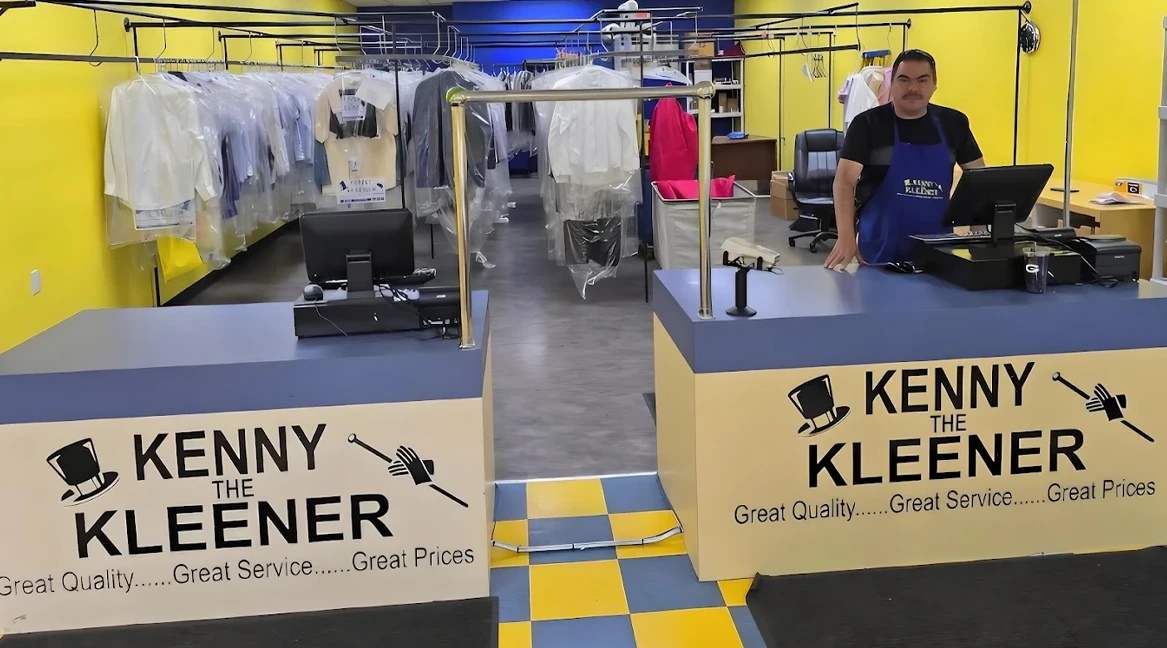
If you're searching for what to look for in a dry cleaner in Skokie, Illinois, this checklist is the answer. At Kenny the Kleener, we provide convenient, exceptional garment care services built around creating the best possible customer experience for every customer. Whether you drop off in store or take advantage of our FREE Pickup and Delivery Service, the goal is straightforward: clean, pressed, ready-to-wear clothes without the guesswork.
The best way to understand how to choose a good dry cleaner is to bring in one garment, ask the questions on this list, and see how they're answered. Bring in a garment and see it for yourself.
📍 3760 Dempster St., Skokie, IL, 60076
🕐 Mon–Fri: 6:30 AM–8:00 PM | Sat: 6:30 AM–6:00 PM | Sun: 8:00 AM–5:00 PM